Paycheck Budgeter: Split It Into Buckets
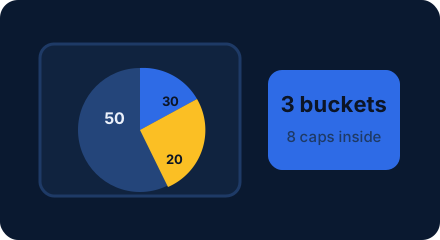
Split monthly take-home into needs, wants and savings with any ratio — then break each bucket down into eight category caps you can check your real spending against at the end of the month.
How to use this calculator
Run the numbers once, write the result where you will see it, and let the free expense tracker do the weekly work: it sorts every entry into needs, wants and savings automatically, so drift from the plan is visible the moment it starts instead of at the end of the month. A calculator sets the target; tracking is what actually gets you there.
Buckets first, categories second
The three-bucket split works because it asks one question per purchase — need, want, or future — instead of thirty line-item decisions. Only after the buckets exist do the categories matter, and then only as ceilings: housing gets 55% of the needs bucket, not because 55 is magic but because it is the largest share of the largest bucket and deserves the first claim. The calculator renders the whole thing in dollars for your actual income, which is the difference between advice and a plan.
The eight caps, in plain language
From needs: housing 55%, food and groceries 25%, transport 12%, utilities and phone 8%. From wants: dining and fun 55%, shopping 30%, subscriptions 15%. Savings is one line — automated on payday before anything else spends it. None of these caps is a law; each is a starting ceiling that is easier to defend than a feeling. When a category keeps blowing through its cap for three months running, that is not failure — that is the data telling you which ceiling to renegotiate or which expense to attack.
Custom ratios are not cheating
The presets cover the three common lives: 50/30/20 for the balanced household, 60/20/20 where rent is brutal and savings still must move, 70/20/10 for the all-in debt year. The custom fields exist because reality is local — a household with a paid-off car can run 45/30/25 and reach goals years early. What is not negotiable is the order: savings claimed on payday, wants funded on purpose, and no bucket borrowing from the one below it. The ratio is a preference; the order is the system.
What to do with the numbers
A split you never check is a wish. Enter the same income in the free tracker on this site, live the month normally, and compare the category view against these caps — the first honest month usually shows one or two categories far off and the rest fine. Fix the one, keep the rest, and the plan survives contact with real life, which is the only kind of plan that ever works twice.
Frequently asked questions
I am paid biweekly — what monthly number do I use?
Two checks most months, three twice a year: budget on two, and route third checks entirely to savings. Entering twice your check here does exactly that automatically.
Income is irregular — what do I enter?
Your lowest full month from the last three. The plan then survives bad months by design, and surplus months become savings instead of lifestyle creep.
Where do debt payments go?
Minimum payments are needs — they are contractual. Anything extra you throw at debt lives in the savings bucket, because it is optional, powerful, and yours to size.